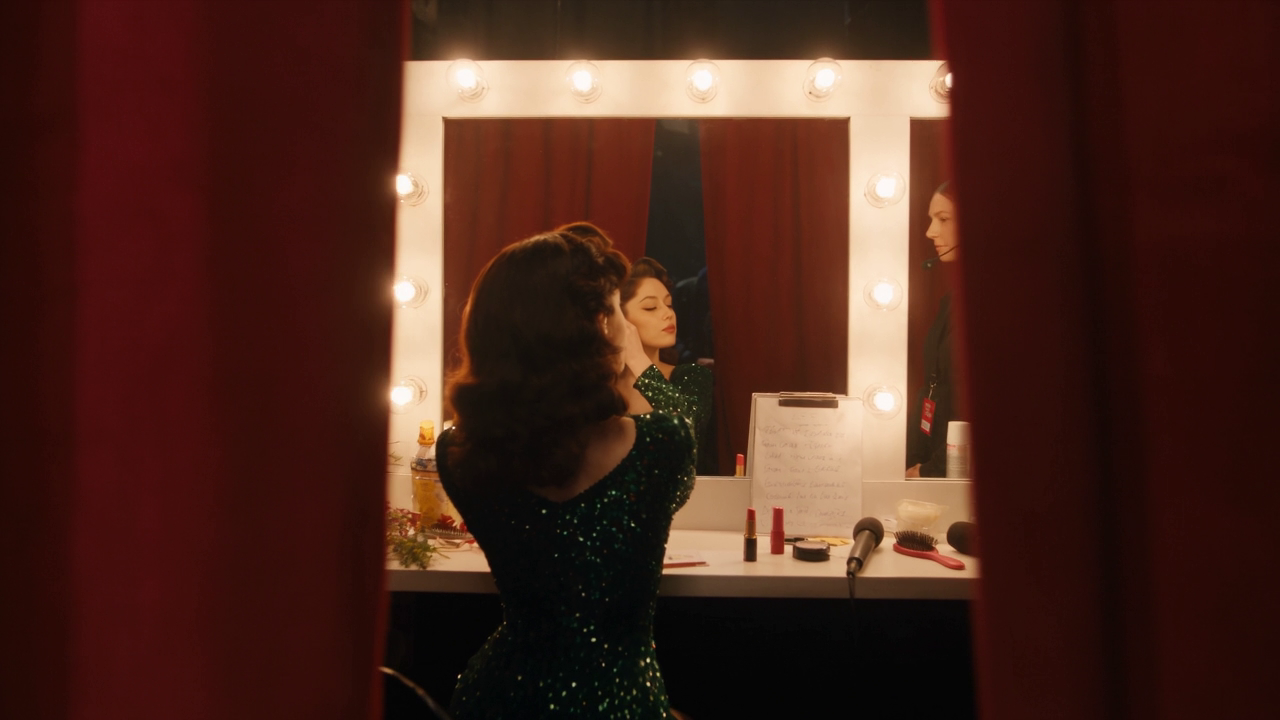
Seedance 2.5 is ByteDance Seed’s next-generation audio-video joint generation model, built for longer single-pass storytelling with synchronized sound. Searches for seedance 2.5 usually want length limits, reference capacity, editing controls, and where to access it. Per ByteDance’s July 31, 2026 launch post and the official product page, the model targets up to 30-second clips in one generation, with multi-round extensions and multimodal reference control.
This review summarizes public materials from the Seedance 2.5 homepage, the Seed team blog, and BytePlus / Dreamina product pages. Capability and quality claims below are vendor-stated unless noted.
What Seedance 2.5 is for
ByteDance positions Seedance 2.5 as a step beyond short clip generators: creators and teams need a first cut that carries setup, development, and payoff—not only a few seconds of motion. The model builds on Seedance 2.0’s unified multimodal audio-video architecture and emphasizes foundational generation, reference-based generation, and post-generation editing.
- Up to 30 seconds per single-pass generation, with multi-round extension for longer narratives
- Native audio-video joint output with vendor claims of tighter audiovisual sync
- Up to 50 multimodal references in one run: 30 images, 10 video clips, and 10 audio clips (per Seed / BytePlus materials)
- Timestamp-level editing plus green-screen, camera-perspective, and reference-based edit workflows
- 10+ languages for multilingual creative and localization scenarios (vendor claim)
Long-form storytelling in one take
According to the Seed blog, Seedance 2.5 extends single-pass generation from earlier ~15-second norms to 30 seconds, and improves shot transitions, subject stability, and motion quality so multi-shot stories read more continuously. Multi-round extension is designed to append further segments while keeping characters, environments, and pacing consistent—useful when you need multi-minute drafts without manually stitching many disconnected clips.
Vendor demos include one-take concert, chase, and stage sequences where prompt timing and camera language matter as much as the subject description. For production teams, the practical hope is fewer continuity fixes in post—not a guarantee that every prompt will land on the first try.
Multimodal references and professional controls
Reference capacity is a headline upgrade. With up to 50 assets (images + video + audio), the model is aimed at briefs that mix character sheets, product shots, venue photos, style frames, and sound cues. Seed materials also highlight clay-render / white-model control for blocking and camera paths, plus stronger motion and creative reference modes.
Editing features called out publicly include:
- Timestamp prompts to steer narrative, camera, and rhythm in specific time ranges
- Targeted replacement of products, styles, faces, lighting, or backgrounds while trying to preserve motion
- Green-screen style background replacement with physical response cues (clothing, hair, lighting) as claimed by Seed
- Camera-perspective edits without fully regenerating the clip
Where to access it
As of the launch announcement and later product pages:
- Jimeng AI and Doubao Pro — select Seedance 2.5 in video generation
- Dreamina / CapCut-related Seedance surfaces
- BytePlus ModelArk — API access for Dreamina-Seedance-2.5 (client/API documentation on BytePlus)
BytePlus marketing also describes plan-style video duration ranges of 4 to 30 seconds for Dreamina Seedance 2.5 exclusive multimodal generation. Treat pricing and token offsets as vendor commercial terms that change—check the live ModelArk / Seedance product page before budgeting.
Practical workflow
Public BytePlus / Lumina explainers describe a three-step pattern that matches how most teams will use Seedance 2.5: (1) assemble multimodal references for characters, products, scenes, and audio; (2) generate a longer first take up to 30 seconds; (3) apply region- or timestamp-level edits only where needed instead of regenerating everything. That workflow is the product’s answer to the “stitch many 5-second clips” problem common in earlier AI video stacks.
Resolution, aspect ratios, and exact latency depend on the surface (Jimeng vs Dreamina vs ModelArk) and plan. Official pages emphasize cinematic quality and audio-visual alignment as goals; independent third-party benches were not required for this summary—validate output quality on your own prompts before promising clients a look.
Who it fits (and who should wait)
- Good fit: ad/story teams that need longer first cuts, brand kits with many references, education/industrial synthetic clips, or multilingual short narratives
- Caveats (vendor-acknowledged): complex multi-subject physics and interaction stability still have room to improve
- Not a drop-in NLE: it is a generation + edit model stack, not a full offline timeline editor
Bottom line
Seedance 2.5 is ByteDance’s long-form-leaning AI video model: vendor-claimed 30-second single-pass audio-video clips, up to 50 multimodal references, and timestamp / green-screen style editing. Start on Jimeng, Doubao Pro, Dreamina, or BytePlus ModelArk, and verify resolution, pricing, and rate limits on the current docs before production use.
Sources
- ByteDance Seed: Seedance 2.5
- Seed blog: Introducing Seedance 2.5 (July 31, 2026)
- BytePlus: Dreamina Seedance product page
- BytePlus Lumina: Long-form AI video with Seedance 2.5
Sources verified Oct 18, 2026 (Pacific Time)